Two Teslas can look the same in the driveway. One sits in Riverside. The other sits in Fontana. They won’t share a charging bill. The Inland Empire isn’t one electric company. Your Tesla charging cost follows whichever utility actually serves the meter.
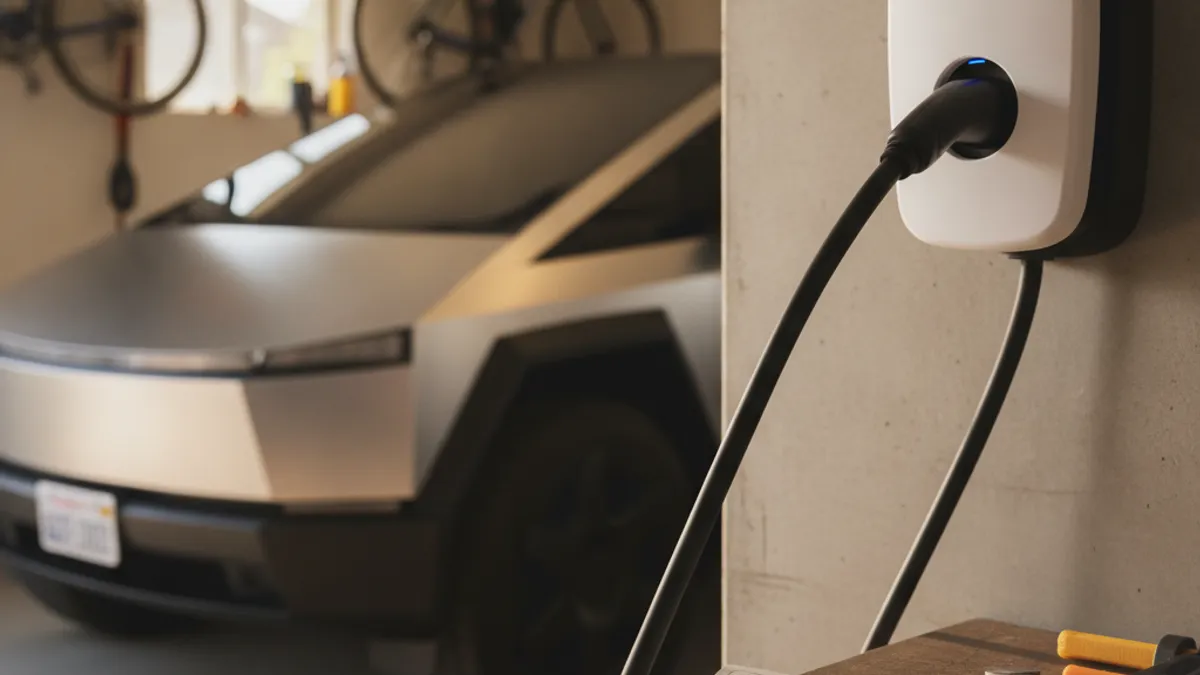
Your utility sets the rate, not a regional average
Most drivers figure Southern California Edison covers every inland city. It doesn’t. SCE does serve a long stretch of the market. That list includes Ontario, Fontana, Chino, Upland, Corona, Temecula, Hemet, and Perris.
Riverside is on Riverside Public Utilities, in place since 1895. Colton owns the electrical system inside city limits. Banning has a city electric utility too. Bear Valley Electric Service covers Big Bear Lake and Big Bear City. It also names Sugarloaf, Moonridge, Fawnskin, Boulder Bay, Lake Williams, and Erwin Lake. Lake Arrowhead and Crestline stay on SCE. Bear Valley’s service-area page doesn’t list either one.
Start with the name printed on the bill.
Split cities where a neighbor’s bill won’t help
Rancho Cucamonga is mostly SCE. Rancho Cucamonga Municipal Utility also serves a southeast pocket. That pocket has over 3,900 metered businesses and residents. It includes The Enclave, Day Creek Square, The Resort, and the Victoria Gardens area. If those names are near you, check which logo is on the bill.
Moreno Valley is split as well. SCE still covers much of the city. Moreno Valley Utility has served newer development since 2004. MVU lists over 6,500 customers and publishes an address lookup. Use that lookup before you borrow a friend’s SCE schedule.
Victorville is easy to misread. Homes there are on SCE. Victorville Municipal Utility Services covers the Southern California Logistics Airport and Foxborough Industrial Park only. It states it doesn’t serve residential areas at this time.
Two towns add a community choice aggregator on SCE’s wires. San Jacinto Power supplies the generation. SCE still delivers. Apple Valley Choice Energy procures power. SCE still delivers there too. Generation and delivery can come from different desks. Your Tesla rate has to account for both.
EV plan names worth looking up
Once you know the utility, find the EV tariff. Don’t stay on a default residential schedule if an EV plan exists.
SCE publishes TOU-D-PRIME for homes with an electric vehicle. Off-peak hours are priced below on-peak hours. Summer weekday peaks cost more than winter ones. SCE posts the current windows on its electric vehicle plan page. Those figures change. Your latest bill is the only match for this month.
A warehouse Tesla in Fontana isn’t billed like a Model 3. SCE lists TOU-EV-7, TOU-EV-8, and TOU-EV-9 by load size.
Riverside Public Utilities publishes an Electric Vehicle Rate. It also lists a time-of-use EV rate meter rebate. Electrify Riverside is the residential rebate path. Confirm them on Riverside’s utilities site before you count on them.
Colton, Banning, Bear Valley, RCMU, and MVU each publish their own residential schedules. There’s no shared inland Tesla price. If an article quotes one California figure, ignore it. It isn’t yours until it matches the tariff name on your bill.
What moves a home charging bill
Pack size still matters. A Model S or X stores more energy than a Model 3. Filling a bigger pack pulls more kilowatt-hours from the wall. Starting from a lower state of charge does the same thing. Charging isn’t perfectly efficient, so wall draw runs a bit higher than the display.
Time of day is usually the bigger swing. A time-of-use plan prices the same kWh differently at noon and overnight. Plug in during the published off-peak window when you can. Peak afternoon charging on a hot inland weekday is the expensive habit. Season matters because several utilities raise on-peak pricing in summer. A January estimate can mislead you in August.
Home Level 2 on your own meter is typically the lower-cost path per kWh. A Supercharger or other DC fast stall prices for speed. Check the stall in the app before you start. See Home 240-volt charging vs a roadside Level 2 hookup. Those two plugs aren’t the same bill.
Older housing and whether you even charge at home
A home rate only applies if you can charge at home. ACS 2019-2023 figures put 43.8% of San Bernardino County housing before 1980. Riverside County sits at 30.2%. San Bernardino and Redlands both sit above 60% pre-1980 housing. Ontario is about half. Eastvale is 2.2%. Temecula is 6.5%.
An older panel doesn’t make a wall connector impossible. It can delay the install. See Home EV charger install across the San Bernardino Valley, city by city for older panel issues.
Superchargers, public stalls, and a mobile visit
A Supercharger session is a different product from overnight Level 2. The network sets that price, not SCE and not a city utility. Your residential EV tariff doesn’t apply at Tesla’s stall.
The pack may be too low to reach a working stall. A mobile visit is a different product again. Charge Pro IE is a referral line. We match you with an independent local operator. We don’t set the price. The operator quotes you before any charging starts and bills you directly.
What moves that quote is practical. How far the operator has to roll. How much range you need to reach a plug. How long they stay on a 240-volt Level 2 hookup. The pros we send typically add 10 to 20 miles of range. That’s in 15 to 30 minutes of charging. That’s time on the cable. It isn’t a promise of when someone arrives.
Read Who sets the price when you need a mobile EV charge. How long it takes to charge a Tesla at home or on the shoulder covers duration.
Rebates that touch the install, not last month’s kWh
SCE still lists Charge Ready Home and a pre-owned EV rebate program. SCE’s business Charge Ready Program isn’t taking new applications. Existing agreements must be fully signed by December 31, 2026. Riverside’s Electrify Riverside path lives on the city’s utilities site. Funding runs out. Confirm what’s open with the utility that prints your bill.
Frequently asked questions
How much does it cost to fully charge a Tesla at home here?
There’s no single inland figure. Your utility and your EV rate plan set it. Multiply wall kilowatt-hours by the rate on your latest bill. That’s the number that matches your driveway.
Is it cheaper to charge a Tesla overnight in the Inland Empire?
On a time-of-use EV plan, off-peak hours are priced below on-peak hours. SCE’s TOU-D-PRIME works that way. Confirm the actual window on your own schedule.
Does Supercharging cost more than charging at home?
Home Level 2 on an off-peak rate is usually the lower-cost path per kWh. DC fast charging prices for speed. If you can’t reach a stall, call for a mobile visit. A local operator can bring a Level 2 source to the car. Call (909) 250-2881 and we’ll connect you with mobile EV charging. The operator quotes you before they start.